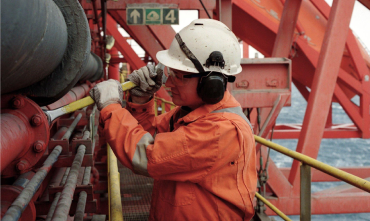
In any workplace where heavy machinery works in the open water, the difference between a good day and a bad one comes down to one thing: safety habits. Not rules on a wall, but the daily choices people make.
A strong safety culture means every worker looks out for the next person. It turns risky jobs into routine ones. This is especially true for specialized teams, including many marine engineering companies in Abu Dhabi, who build and repair vessels under tight schedules.
Checking gear daily:
Safety starts with looking at tools before work begins. Workers check helmets, boots, and gloves for any cracks or holes. Broken tools cause trouble, so fixing them fast helps keep hands safe. A quick look prevents big problems later in the day.
Talking to teams:
Good communication keeps everyone on the same page. Crew members talk before starting a new job to share ideas. Clear words help avoid mistakes when the ship moves or engines get loud. Speaking up helps stop accidents before they can even start.
Keeping floors clear:
Messy floors lead to trips and falls in small rooms. Cleaning up oil spills or moving loose wires makes the work area better. A tidy space allows people to move around without getting hurt. Keeping things neat keeps the whole crew moving safely.
Wearing right clothes:
Correct outfits protect skin from heat and sparks. Heavy boots keep toes safe from falling heavy objects. Using masks or eye shields keeps dust and bright light away from eyes. Wearing the right gear makes every job feel much safer for the workers.
Training for trouble:
Practicing for emergencies helps people stay calm when things go wrong. Fire drills and leak checks happen so everyone knows where to go. Fast reactions save lives when water or smoke fills a room. Learning these steps makes the crew ready for any situation.
Following safety signs:
Bright signs tell workers where danger stays. Reading these warnings helps people avoid hot pipes or moving parts. Signs remind everyone to stay focused even when tired. Watching for these marks keeps the boat stable and the workers out of harm’s way.
Blame nobody, fix everything:
When an accident happens, the first question is not “who did this?” but “what failed?” A broken ladder, a missing sign, a dim light. Fix the problem, not the person. That approach removes fear and encourages honest reporting.